
Roof Care
Roof Inspection West Palm Beach: What to Expect
What happens during a professional roof inspection in West Palm Beach? See the coastal checklist for tile, shingle and flat roofs, then book yours today.
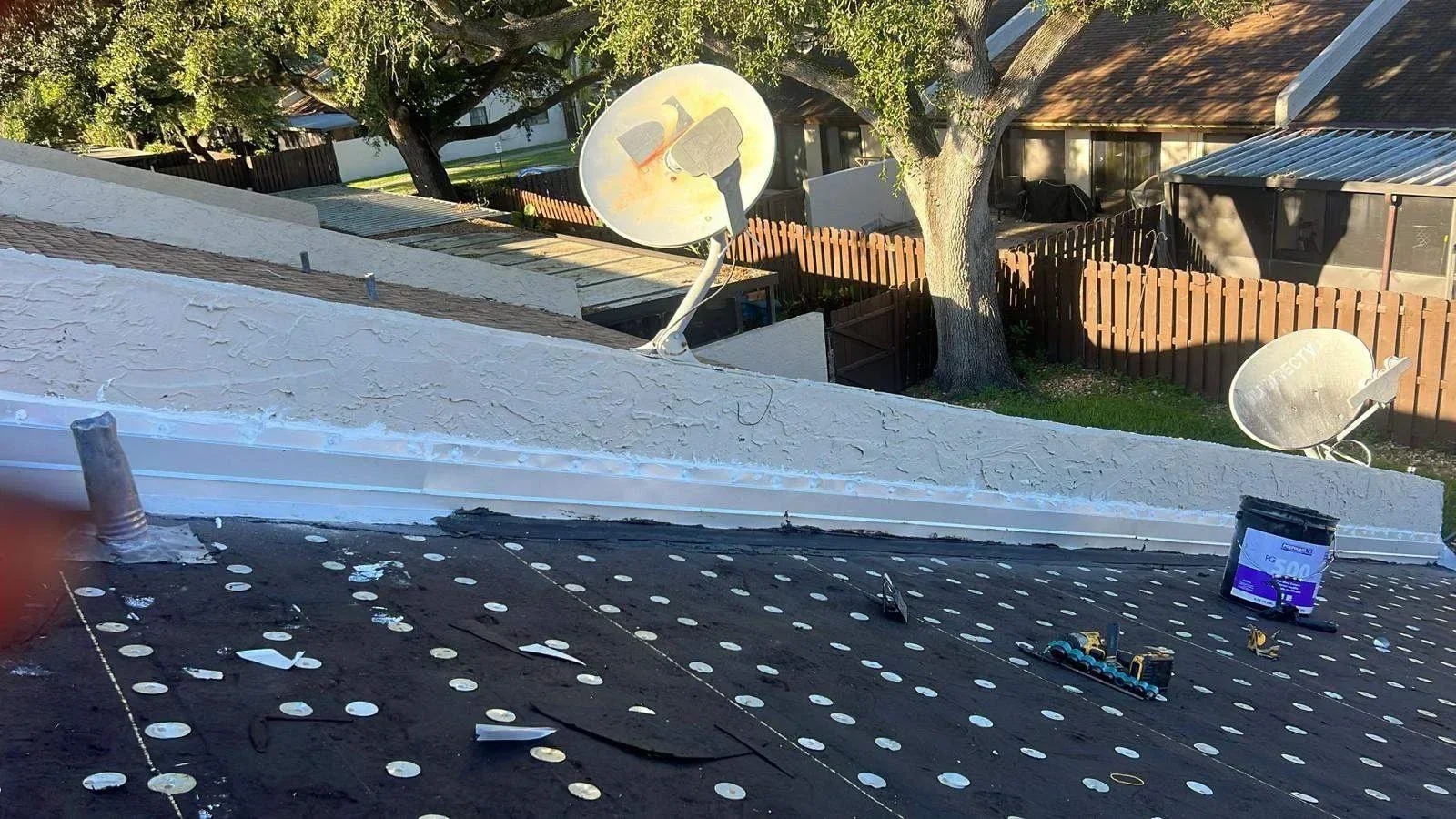
Most homeowners only think about their roof after a storm rolls off the Atlantic or a ceiling stain appears. A roof inspection in West Palm Beach is the calmer, smarter move. It shows you where your roof stands before small problems turn into wet drywall. This guide walks through exactly what a professional inspector looks at, how coastal conditions change the checklist, and what you'll walk away with.
Why a West Palm Beach roof inspection isn't a generic checklist
A roof in Ohio and a roof two miles from the Intracoastal face very different lives. Here, the threats are salt air, intense UV, heavy summer downpours, high humidity, and hurricane-season wind. A good inspector adjusts what they look for based on those forces.
Salt, sun and humidity work together
Salt-laden air speeds up corrosion on metal flashing, fasteners, drip edge, and vent boots. Constant UV dries out sealants and underlayment edges faster than many homeowners expect. Humidity keeps attics damp, which can encourage rot in decking and rafters if ventilation is weak. None of these show up as one dramatic failure. They add up quietly.
Wind is the big test
South Florida roofs are built and judged with wind in mind. An inspector pays close attention to how well roof coverings are attached, whether edges and ridges are secure, and whether any tiles or shingles have shifted or lifted. A roof can look fine from the street and still have loose pieces that a strong gust will find first.
Rain finds every weak spot
Our afternoon storms dump a lot of water fast. That puts pressure on valleys, flashing, and low-slope sections where water can pool. Inspectors trace the path water takes across your roof and look for anywhere it might slow down, back up, or slip underneath.
The professional roof inspection checklist, step by step
So what actually happens when the inspector arrives? At PSR Roofing Company of West Palm Beach, a visit follows a clear order, from the ground up to the attic. Here's the typical sequence.
- Quick conversation. The inspector asks about the roof's age, any past repairs, recent storms, and leaks or stains you've noticed.
- Ground-level walkaround. A look at the overall roof line, sagging, missing pieces, gutter condition, and staining on fascia or soffits.
- Roof surface inspection. Where it's safe to do so, the inspector examines the roofing material up close: cracked or slipped tiles, lifted or worn shingles, blistering or ponding on flat sections.
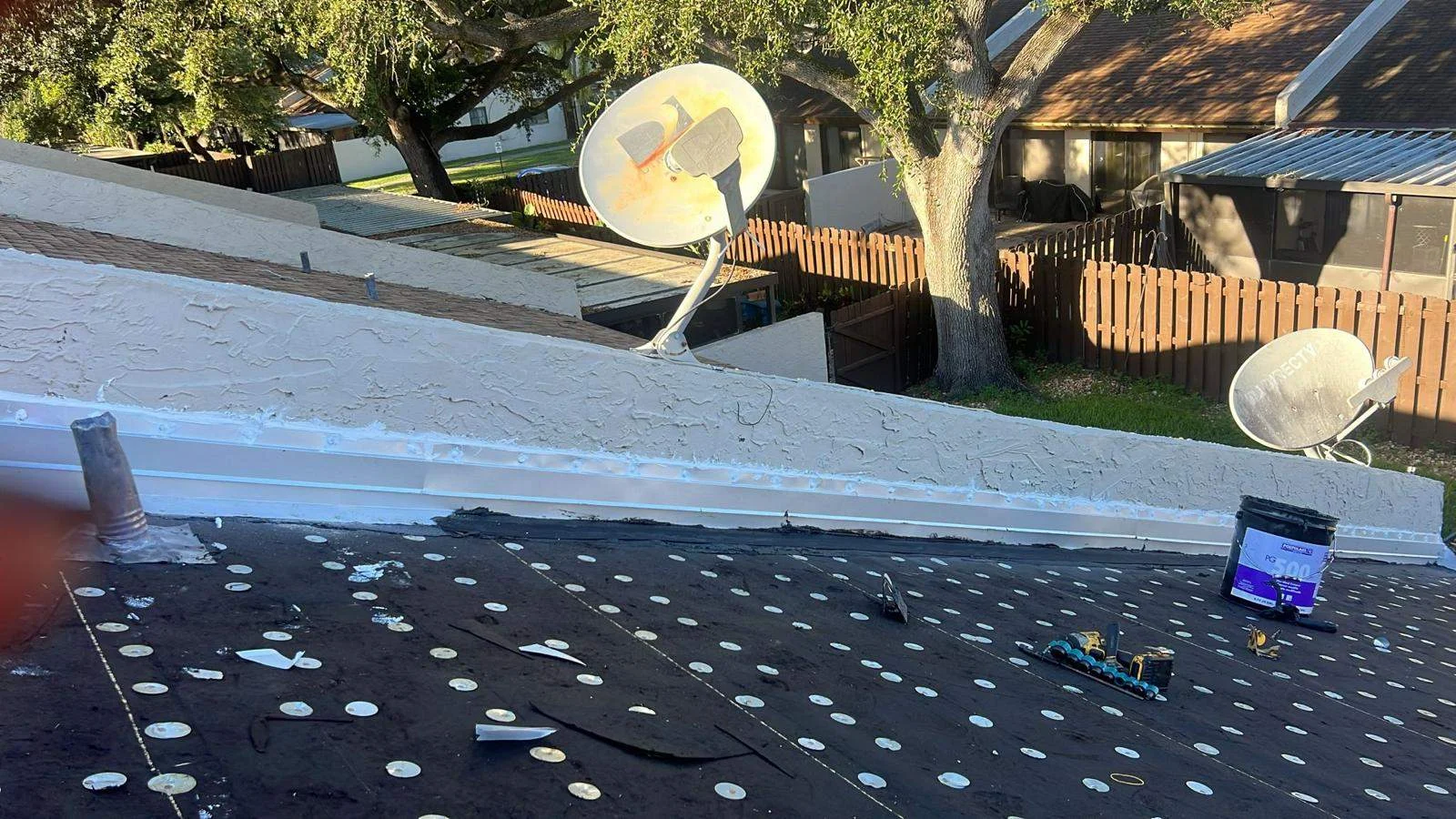
- Flashing and penetrations. Chimneys, skylights, plumbing vents, roof-mounted equipment, and wall transitions get special attention, since this is where many leaks begin.
- Drainage check. Gutters, downspouts, valleys, and scuppers are reviewed for clogs, separation, or poor slope.
- Attic and interior check. If accessible, the attic is inspected for daylight, water staining, damp insulation, and ventilation problems. Interior ceilings get a look too.
- Documentation and findings. Photos are taken and the inspector explains what they found, in plain language.
How long it takes
Most residential inspections are done within a single visit. Larger homes, complex roof shapes, or tile roofs with lots of hips and valleys simply take longer. Plan to be home for the conversation at the start and the walkthrough at the end. That's where the useful part happens.
What the inspector won't do
An inspection is a look and an assessment. It isn't a repair visit. If the inspector spots a slipped tile or failing sealant, they'll note it and explain your options rather than start pulling things apart on the spot. The exception is an active emergency, which is handled differently (more on that below).
Tile roof inspection in West Palm Beach: the details that matter
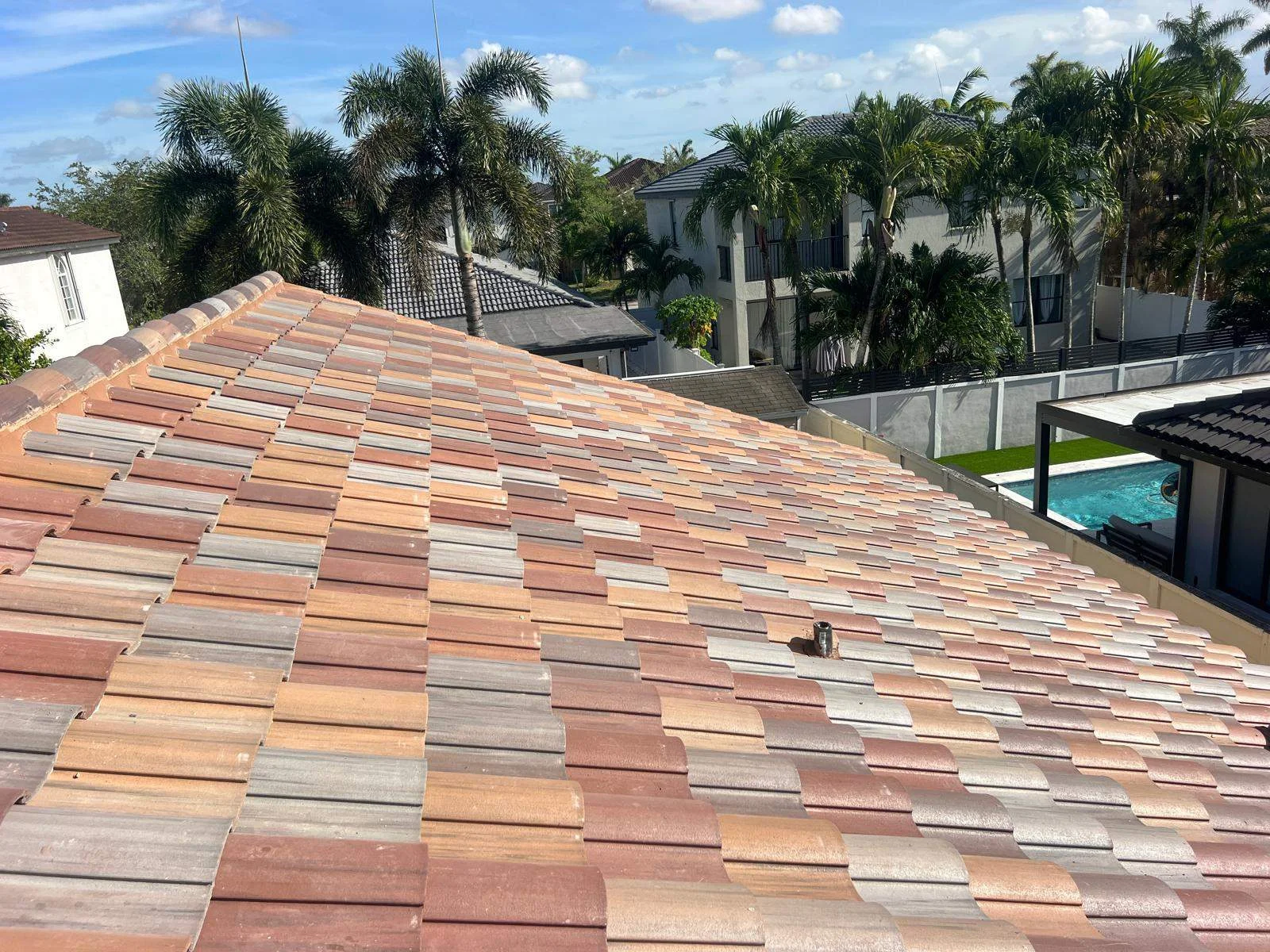
Here's an unpopular truth: tile roofs often look healthiest right before they cause trouble. Concrete and clay tile is tough and handles sun well. The problem is that the tile isn't the waterproofing layer. The underlayment beneath it is, and you can't see that from the driveway.
Cracked, slipped and broken tiles
Inspectors look for tiles that are cracked, chipped, shifted out of line, or missing. Foot traffic from other trades (satellite installers, AC techs, painters) is a common cause of breakage. Falling palm fronds and storm debris do their share too. One broken tile can let water reach the underlayment in a heavy rain.
Underlayment and attachment
Because underlayment ages under the tile, an inspector reads indirect clues: staining in the attic, soft spots, or water marks along lower courses. They also check how tiles are attached, whether by adhesive, fasteners, or mortar, and whether any are loose. Ridge and hip tiles get extra attention since they take the most wind.
Walking on tile takes care
Tile can crack under a careless step. Experienced inspectors know where to place their weight and when to inspect from a ladder or the edge instead. This is a big reason a tile roof inspection belongs with a roofing professional, not a homeowner with a ladder.
Shingle, flat and metal roofs get their own scrutiny
Not every home in Palm Beach County has tile. Shingle roofs, low-slope flat roofs over additions and patios, and metal roofs all show up across the area. Each one fails in its own way.
Asphalt shingles
On shingle roofs, the inspector checks for granule loss, curling, cracking, and shingles that have lifted or lost their seal. Granules collecting in gutters are a tell. So are bald patches that look darker than the rest of the roof. Wind-lifted shingles are a priority because they're often the next ones to tear off.
Flat and low-slope sections
Flat roofs don't shed water as quickly, so ponding is the main concern. Inspectors look for standing water, blisters, splits in the membrane, open seams, and clogged drains or scuppers. In our rainy season, a low-slope section that drains poorly can get worse quickly.
Metal roofs
Metal handles wind and sun well, but coastal salt still matters. The inspector looks for corrosion, loose or backed-out fasteners, worn washers, and gaps at seams and trim. Scratches in the coating can become rust spots over time, especially closer to the water.
Quick comparison by roof type
Here's a side-by-side of what inspectors focus on for each roof type discussed above.
| Roof type | Main inspection focus | Common coastal concern |
|---|---|---|
| Concrete or clay tile | Cracked or slipped tiles, ridge and hip attachment, signs of underlayment wear | Hidden underlayment aging beneath sound-looking tile |
| Asphalt shingle | Granule loss, curling, lifted or unsealed shingles | UV aging and wind lift |
| Flat or low-slope | Ponding, blisters, seam splits, drain condition | Standing water after heavy rain |
| Metal | Fasteners, seams, trim, coating damage | Salt-air corrosion |
When to schedule an inspection (and when it can wait)
Do you really need an inspection right now? Sometimes yes. Sometimes it can wait a few weeks. The trick is knowing the difference.
Good times to book
- Before hurricane season. Spring is a smart window to find loose tiles or worn flashing while the weather is calmer.
- After a major storm. Even if nothing looks wrong, high winds can loosen materials you can't see from the ground.
- Before buying or selling a home. Knowing the roof's condition helps everyone make clearer decisions.
- When your roof is getting older. An aging roof benefits from regular check-ins so you can plan instead of react.
- When an insurer asks. Some insurance carriers request information about roof condition. Requirements vary by carrier, so check with yours directly.
Signs you shouldn't put it off
Water stains on ceilings, musty smells in the attic, granules piling in gutters, visibly slipped tiles, or daylight in the attic all point to a problem that's already moving. Book sooner. If water is actively coming in, that's an emergency, and PSR Roofing offers 24-hour emergency roofing help for exactly that situation.
What you can safely check yourself
From the ground, you can scan for missing or out-of-place tiles, debris piled in valleys, overflowing gutters, and stains on soffits. Inside, check ceilings and the tops of closets after heavy rain. Leave the climbing to a professional. Roofs are slippery, tile breaks easily, and falls are serious.
What you'll get after the inspection
An inspection is only as useful as what you learn from it. The goal is a clear picture, not a pile of jargon.
Plain-language findings
Your inspector should walk you through what they saw and why it matters. Photos help. Being able to see the cracked tile or the rusted flashing makes decisions much easier than a vague description.
Options, ranked by urgency
Good findings separate the urgent from the routine. A loose ridge tile before storm season is urgent. Minor surface wear might just be something to watch. Depending on what turns up, the recommendation may be a targeted repair, routine monitoring, or, for a roof near the end of its life, planning for replacement. PSR Roofing handles roof repair and replacement as well as inspections, so you're not passed between companies to act on the results.
Thinking about cost the right way
We don't publish price figures here because every roof is different. What affects the cost of follow-up work is fairly predictable, though: roof size and pitch, material type, how much damage exists, ease of access, and whether underlayment is involved. When comparing quotes for any work, make sure each one describes the same scope and materials. A clear written scope matters more than a single number.
The short version
A professional inspection is a calm, methodical look at every layer of your roof. It's built around the conditions West Palm Beach homes actually face.
What to remember
Coastal roofs age from salt, sun, humidity, wind, and heavy rain all at once. Tile roofs can hide underlayment problems beneath healthy-looking surfaces. Shingle, flat, and metal roofs each have their own warning signs. And the best time to inspect is before a storm, not after a leak.
Why local experience helps
A roof inspector who works across Palm Beach County every week knows how local weather treats each material. That familiarity shapes what gets checked and how findings are explained. It's the difference between a checklist and an actual assessment.
Frequently asked questions
How often should I get a roof inspection in West Palm Beach?
Many homeowners schedule one each year, ideally before hurricane season, plus another after any major storm. Older roofs may benefit from more frequent check-ins.
Do I need to be home during the inspection?
It helps. You can share your roof's history at the start and see the findings at the end. Attic access may also require someone to let the inspector inside.
Can an inspector find leaks under tile?
They can often spot strong clues, such as attic staining, damp insulation, or soft decking. Underlayment itself isn't fully visible without removing tile, so findings are based on those signs.
Will the inspector walk on my tile roof?
Only where it's safe. Experienced inspectors know how to step on tile without cracking it, and they'll inspect from a ladder or the edge when walking isn't wise.
What happens if they find damage?
You'll get an explanation of what was found and your options, ranked by urgency. That might mean a repair, monitoring, or planning for replacement.
Is a roof inspection the same as a maintenance visit?
No. An inspection assesses condition and documents findings. Maintenance or repairs are separate work you can choose to schedule afterward.